
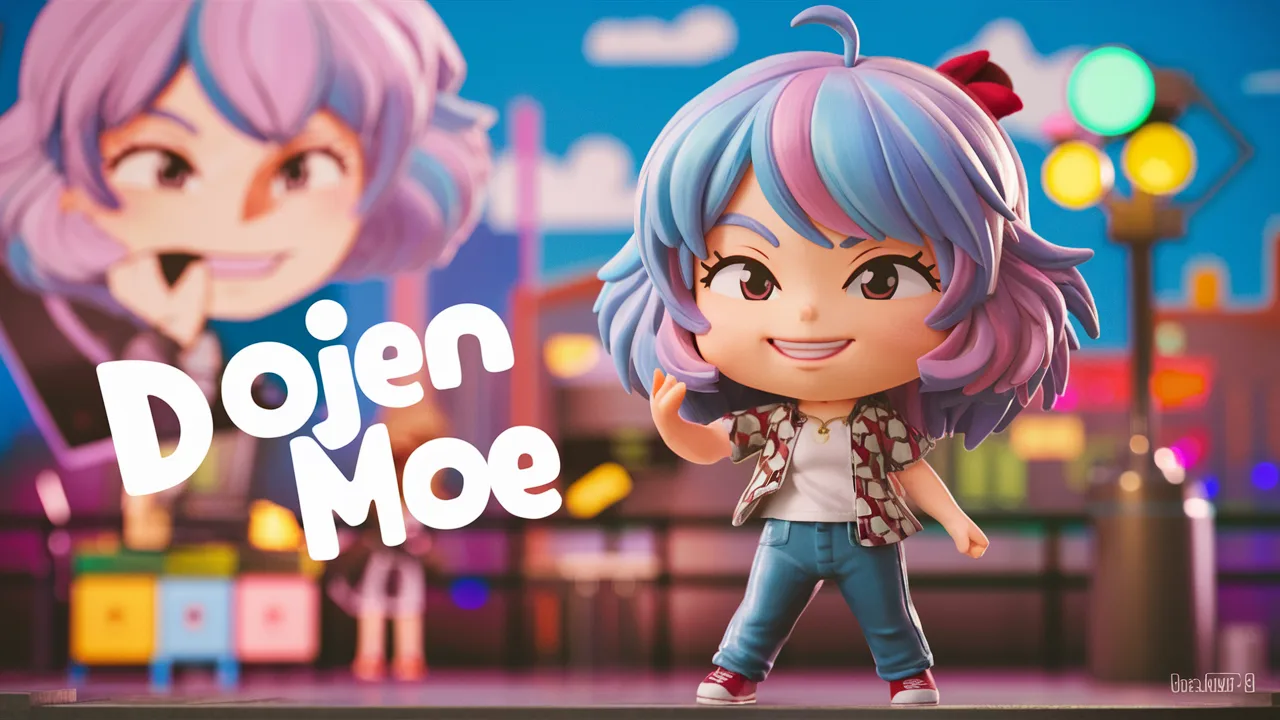
We live in an era where digital culture continuously reshapes artistic expression, language, and community interaction. Among the newest creative movements to emerge online is Dojen Moe, a term that blends elements of fan‑made culture with emotional aesthetics rooted in Japanese pop culture. It has grown beyond a niche phrase into a meaningful creative philosophy embraced by artists and fans worldwide. Dojen Moe is not just an aesthetic — it is a community‑driven movement capturing emotional sincerity, soft visual storytelling, and a heartfelt approach to art and identity in digital spaces. In this comprehensive, SEO‑optimized guide, we explore what Dojen Moe is, where it came from, its core characteristics, cultural significance, visual expression, community dynamics, challenges, and why it matters to the modern digital creative landscape.
What Is Dojen Moe? Definition and Meaning
At its core, Dojen Moe is a fusion of two cultural concepts that have long existed in Japanese and global fan communities. The word “Moe” is a Japanese slang term referring to feelings of affection, emotional warmth, or deep attachment — especially toward fictional characters with traits of innocence, expressiveness, or vulnerability. The term “Dojen” (sometimes spelled “Doujen” in some sources) appears to derive from or be inspired by “doujin,” a Japanese word referring to independently created, self‑published media such as art, comics, novels, and stories often produced by fans.
Dojen Moe therefore represents an aesthetic and cultural movement that blends the freedom and grassroots nature of self‑published fan culture with the emotional depth and endearing appeal of Moe‑inspired expression. Unlike mass‑produced commercial media, Dojen Moe is characterized by sincerity, vulnerability, emotional resonance, and artistic authenticity.
Origins and Etymology of Dojen Moe
The concept of Dojen Moe evolved within online creative communities rather than through mainstream media institutions. Its earliest roots trace to fans of anime, manga, and digital art who have long used fan‑made creations — known as doujin works — to explore personal expression and emotional storytelling. Originally contained within local Japanese fan circles, this aesthetic quickly spread worldwide, gaining momentum on platforms such as Twitter, Discord, art communities, and independent publishing sites.
The moe component has a well‑established history in Japanese pop culture as an emotional reaction to character traits that evoke protective feelings or affectionate warmth. Together, Dojen Moe marks a hybrid space where emotional intensity — “moe” — meets the creative freedom of doujin creation, resulting in art that feels heartfelt, evocative, and personal.
Core Characteristics of Dojen Moe
Emotional Resonance and Vulnerability
One of the defining elements of Dōjen Moe is its emphasis on emotion‑first art. This means artworks, stories, and visual narratives are designed to evoke feelings such as nostalgia, warmth, longing, or tender connection. Rather than prioritizing technical perfection or commercial polish, Dojen Moe prioritizes artistic sincerity and emotional impact.
Soft, Expressive Visual Aesthetics
Visually, Dojen Moe works frequently utilize soft color palettes — such as pastels or muted tones — gentle linework, expressive facial expressions, and minimalistic backgrounds. These elements work together to create an intimate, dreamlike visual atmosphere that draws viewers into emotional engagement rather than dramatic spectacle.
Blend of Fan Culture and Original Work
Dojen Moe thrives at the intersection of fan creativity and original conceptual design. While many works draw inspiration from beloved characters or established fandoms, creators also produce entirely original content. The movement is inclusive: whether a piece reimagines an existing character with emotional nuance or invents a novel persona with deep symbolic meaning, both fit within the Dojen Moe ethos.
Community and Collaboration
The movement’s growth is strongly linked to community‑driven creation. Online communities often host collaborative projects, themed art challenges, and digital exhibitions where creators share work, give feedback, and inspire one another. Unlike competitive commercial arenas, Dojen Moe communities prioritize supportive interaction — growing creative skills through shared exploration and collective identity building.
How Dojen Moe Appears in Creative Expression
Visual Art and Illustration
In digital art communities, Dojen Moe frequently appears in character sketches, emotive vignettes, original illustrations, or pieces teasing at narrative depth without needing full storytelling context. The art often reflects quiet, everyday moments infused with intense emotional undercurrents — a hugging scene at dusk, a contemplative gaze framed by soft light, or a fleeting moment of warmth between characters.
Comics and Narrative Storytelling
Some creators expand beyond static images to produce short comics or narratives centered on personal introspection, relationships, emotional growth, or memories — focusing less on plot and more on emotional resonance. These stories may be found as webcomics, self‑published zines, or shared in digital art communities.
Animation and Multimedia Projects
Though less common due to higher resource needs, some Dojen Moe creators experiment with short animations, ambient mood videos, or mixed media, using movement, sound, and visual texture to enhance emotional storytelling.
Cultural Significance and Global Appeal
Dojen Moe’s rise highlights a broader trend in digital culture: the search for genuine emotional connection and community in an increasingly algorithmic and commercialized media landscape. Its aesthetic — centered on vulnerability, warmth, and introspection — resonates with global audiences seeking artistic refuges that emphasize human feeling over polished spectacle.
Unlike mainstream anime aesthetics that may focus on action, grandeur, or fan service, Dojen Moe prioritizes quiet introspection, relationship‑driven themes, and emotional authenticity, offering a creative space where viewers — and creators — can find comfort, belonging, and expressive freedom.
Challenges and Future Trends
Despite its popularity, Dojen Moe faces challenges:
1. Misinterpretation of “Moe”: Because “moe” can be misunderstood outside of otaku culture, some audiences misread Dojen Moe as merely “cute art,” missing its emotional and conceptual depth.
2. Copyright and IP Issues: Fan‑made works that reference existing characters can raise intellectual property concerns, especially when shared widely without rights clearance.
3. Sustainability: Many creators pursue Dojen Moe projects as passion work without clear monetization, making long‑term creative sustainability a concern.
Looking ahead, Dojen Moe’s adaptability — especially through digital tools, AI‑assisted art creation, and immersive online galleries — suggests it may continue evolving with global creative communities, remaining a prominent example of emotion‑driven digital expression.
Conclusion
We conclude that Dojen Moe is far more than a trendy term or niche aesthetic. It represents a heartfelt creative movement born from fan culture, emotional resonance, and community collaboration. By fusing the independent spirit of doujin creation with the emotional depth of moe affection, Dojen Moe provides a space where creators and audiences worldwide can connect through art that prioritizes feeling over flash, sincerity over perfection, and community over competition. As digital culture continues to evolve, Dojen Moe stands as a testament to the enduring power of emotional expression in a connected world.
Frequently Asked Questions (FAQ)
What does Dojen Moe mean?
Dojen Moe is a digital creative movement blending the grassroots fan culture of doujin works with the emotional attachment and aesthetic charm of moe character design.
Where did Dojen Moe originate?
It began within Japanese anime and manga fan communities and expanded globally as digital art platforms and social media spread the style.
What makes Dojen Moe different from other visual styles?
Its primary focus is on emotional resonance, vulnerability, community participation, and expressive storytelling rather than technical polish or mainstream commercial appeal.
Can I create Dojen Moe art even if I’m not a professional?
Yes. Creativity and emotional sincerity are more important than technical skill in Dojen Moe communities.
Is Dojen Moe only about anime?
While it draws from anime culture, its emotional focus and artistic philosophy have expanded to diverse creative forms beyond traditional anime art.
