
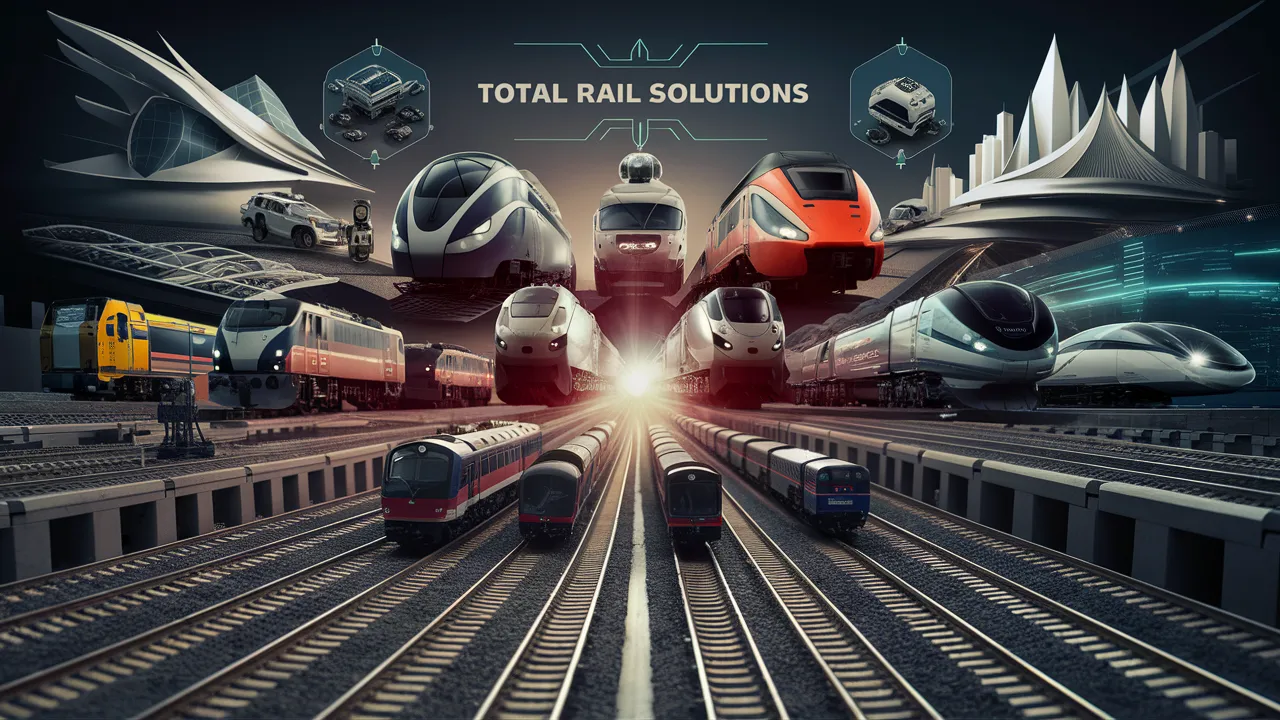
Total Rail Solutions represents a comprehensive approach to managing and maintaining modern railway systems through advanced engineering, innovative technologies, and integrated infrastructure services. As railway networks expand to support growing populations, urban development, and sustainable transportation initiatives, the need for coordinated, efficient, and reliable rail infrastructure management becomes increasingly critical. Total Rail Solutions addresses these needs by combining multiple services—ranging from track installation and maintenance to safety management and digital monitoring—into a unified strategy designed to optimize performance and reliability across the entire railway ecosystem.
Railway systems are among the most complex transportation infrastructures in the world. They require precise engineering, continuous monitoring, and strategic planning to ensure uninterrupted operations. Through Total Rail Solutions, organizations can streamline their rail infrastructure projects while maintaining strict compliance with safety regulations and operational standards. By integrating modern technologies with expert rail engineering practices, Total Rail Solutions supports sustainable, efficient, and resilient rail transport networks that serve both passengers and freight industries.
Understanding Total Rail Solutions in the Railway Industry
Total Rail Solutions refers to a holistic service model that encompasses every stage of railway infrastructure development and management. Instead of relying on fragmented services from multiple providers, rail operators can utilize an integrated framework that manages everything from design and construction to maintenance and operational support.
In practice, this approach brings together rail engineering expertise, safety systems, project management, and digital monitoring tools into a cohesive operational model. This integration reduces delays, minimizes operational disruptions, and ensures that railway infrastructure remains safe and efficient over long operational lifecycles. Total Rail Solutions allows rail organizations to focus on strategic growth and passenger experience while technical specialists handle the complexities of infrastructure management.
The approach also promotes cost efficiency and long-term sustainability, as proactive maintenance and advanced monitoring systems help identify potential issues before they escalate into major operational failures.
Key Components of Total Rail Solutions
Rail Infrastructure Planning and Design
One of the most critical elements of Total Rail Solutions is the initial planning and design phase. Railway infrastructure projects require careful analysis of terrain, environmental conditions, urban development patterns, and expected passenger or freight traffic. Through detailed engineering studies and advanced simulation tools, rail planners can design tracks, stations, and support systems that maximize efficiency and durability.
Modern rail design also incorporates smart infrastructure technology, allowing railway networks to integrate seamlessly with digital monitoring systems, predictive maintenance platforms, and automated signaling mechanisms.
Railway Construction and Installation
After the planning stage, construction and installation form the backbone of rail infrastructure development. Total Rail Solutions ensures that all aspects of track construction—including ballast preparation, track alignment, rail welding, and structural support—are executed with precision and compliance with international railway standards.
Construction teams working under a Total Rail Solutions framework also coordinate closely with project managers, engineers, and safety specialists to maintain strict timelines and operational safety. This coordinated effort reduces the risk of construction delays and ensures high-quality infrastructure capable of supporting decades of continuous rail operations.
Rail Maintenance and Asset Management
Railway networks require continuous maintenance to ensure safe operations and minimize service disruptions. Total Rail Solutions incorporates advanced maintenance strategies that combine routine inspections, predictive analytics, and automated monitoring systems.
Through predictive maintenance technologies, rail operators can monitor track conditions, rail stress levels, and structural integrity in real time. This data-driven approach allows maintenance teams to identify wear and potential faults early, preventing costly repairs and operational shutdowns. Effective asset management also extends the lifespan of rail infrastructure while maintaining optimal performance.
Safety and Compliance Systems
Safety remains a cornerstone of the railway industry, and Total Rail Solutions integrates comprehensive safety management systems to protect both passengers and infrastructure. These systems include advanced signaling technologies, automated monitoring platforms, and strict compliance protocols aligned with national and international railway regulations.
Safety programs also involve regular inspections, workforce training, and emergency response planning. By embedding safety into every stage of infrastructure management, Total Rail Solutions helps ensure that railway networks operate with minimal risk and maximum reliability.
Digital Monitoring and Smart Rail Technology
One of the most transformative aspects of Total Rail Solutions is the adoption of digital rail technologies. Modern rail infrastructure increasingly relies on sensors, artificial intelligence, and real-time data analytics to monitor track conditions and optimize operations.
Smart monitoring systems collect data on track vibrations, rail temperature, structural stress, and train movement patterns. These insights enable rail operators to make informed decisions about maintenance scheduling, infrastructure upgrades, and capacity planning. The integration of digital technologies also enhances operational efficiency by enabling predictive analytics and automated alerts that prevent infrastructure failures.
Benefits of Implementing Total Rail Solutions
Organizations that adopt Total Rail Solutions gain several strategic advantages. First, the integrated model improves operational efficiency by consolidating multiple rail infrastructure services under a single coordinated framework. This reduces administrative complexity and enhances communication between engineering teams, project managers, and maintenance specialists.
Another major benefit is cost optimization. By implementing predictive maintenance systems and proactive asset management strategies, rail operators can significantly reduce long-term maintenance expenses while extending the lifespan of their infrastructure.
Total Rail Solutions also supports sustainability goals within the transportation sector. Efficient rail infrastructure reduces energy consumption, minimizes environmental impact, and promotes rail transport as a sustainable alternative to road and air travel.
The Future of Total Rail Solutions
As railway networks evolve to support high-speed rail systems, urban transit expansion, and smart transportation ecosystems, Total Rail Solutions will play an increasingly important role in infrastructure management. Emerging technologies such as artificial intelligence, Internet of Things (IoT) sensors, and autonomous inspection systems will further enhance the efficiency and reliability of rail operations.
Future rail infrastructure projects will likely rely heavily on data-driven decision-making, allowing operators to optimize performance in real time. By combining advanced technology with engineering expertise, Total Rail Solutions will continue to shape the future of global rail transportation and support the development of resilient, sustainable railway networks.
Conclusion
Total Rail Solutions provides a powerful framework for managing modern railway infrastructure with precision, efficiency, and reliability. By integrating planning, construction, maintenance, safety management, and digital monitoring into a single cohesive strategy, this approach ensures that rail networks remain safe, cost-effective, and capable of supporting growing transportation demands.
As the global demand for efficient and sustainable transportation continues to rise, Total Rail Solutions will remain a critical component of railway infrastructure development. Through innovation, advanced engineering practices, and strategic infrastructure management, rail operators can build resilient transportation systems that support economic growth, urban development, and environmental sustainability for decades to come.
Frequently Asked Questions (FAQ)
What are Total Rail Solutions?
Total Rail Solutions refers to a comprehensive approach to railway infrastructure management that integrates planning, construction, maintenance, safety systems, and digital monitoring into a unified operational framework.
Why are Total Rail Solutions important for railway networks?
They improve operational efficiency, safety, and cost management while ensuring that rail infrastructure remains reliable and capable of supporting long-term transportation needs.
What services are included in Total Rail Solutions?
Key services include rail infrastructure planning, construction, maintenance, safety management, asset monitoring, and digital rail technology integration.
How do Total Rail Solutions improve rail safety?
By incorporating advanced monitoring systems, predictive maintenance technologies, and strict regulatory compliance, rail operators can detect potential risks early and maintain safe operations.
How does technology influence Total Rail Solutions?
Modern technologies such as AI, IoT sensors, and data analytics allow railway networks to monitor infrastructure in real time, enabling predictive maintenance and improved operational efficiency.
