
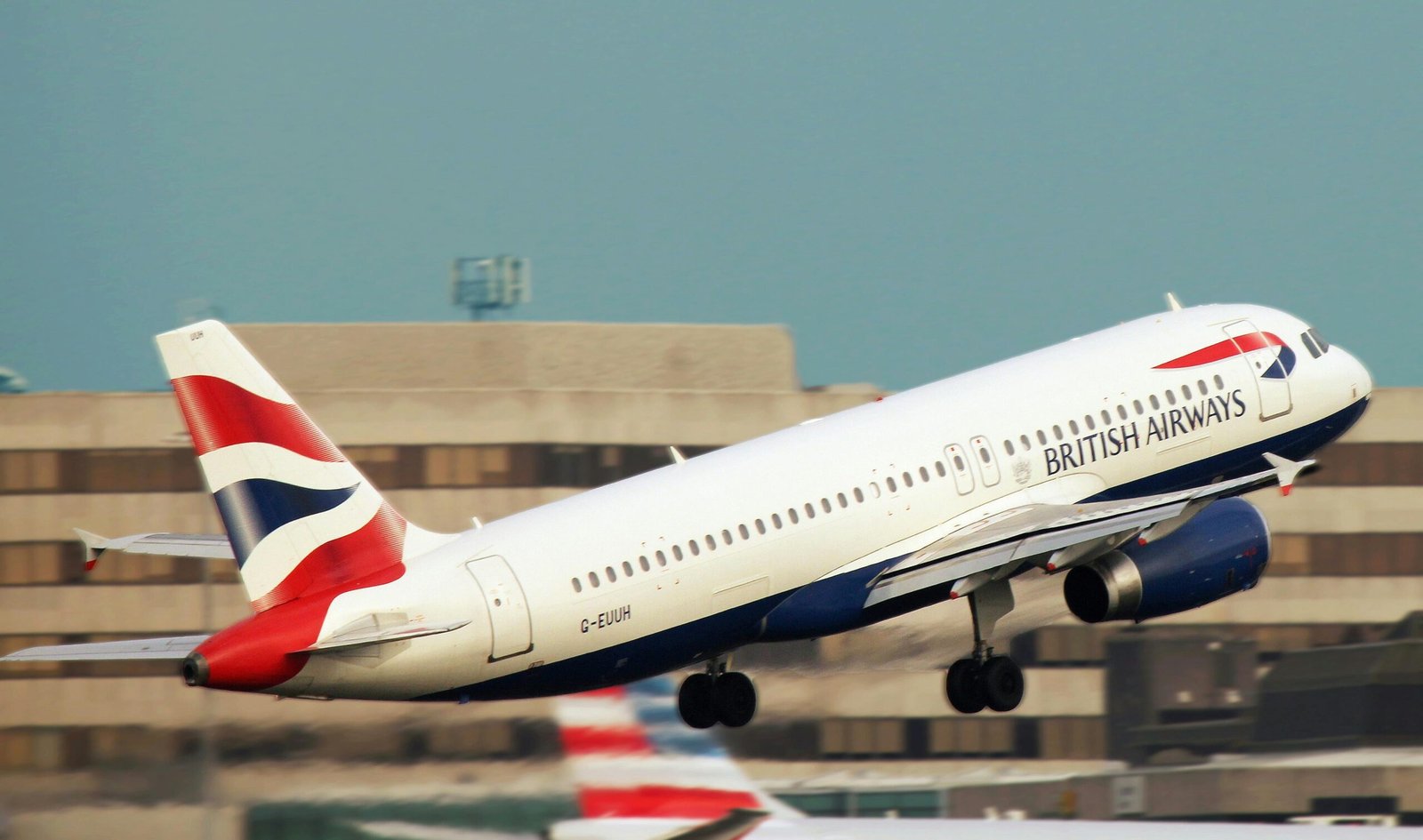
Air travel is one of the safest and most efficient ways to travel across the globe, connecting millions of passengers every day. However, even the most carefully planned flights can sometimes face unexpected situations that require immediate changes to their routes. One such situation occurs when a flight is diverted, meaning it must land at a different airport than originally scheduled. Recently, the topic “United Flight UA967 diverted” has attracted attention online, with travelers and aviation enthusiasts searching for details about the incident and its possible causes.
When a flight diversion happens, it is typically done to ensure the safety of passengers, crew members, and the aircraft. Airlines and pilots follow strict aviation protocols that prioritize safety above all else. Diversions may occur for several reasons including weather conditions, medical emergencies, mechanical issues, or operational considerations. Understanding why flights are diverted and how airlines manage these situations helps travelers remain informed and reassured when unexpected travel changes occur.
In this comprehensive article, we explore the topic of United Flight UA967 diverted, discussing possible reasons behind flight diversions, how airlines handle such situations, and what passengers should expect if their flight is redirected. By examining the aviation procedures involved in flight diversions, we gain valuable insight into the systems that keep air travel safe and reliable.
Understanding What It Means When a Flight Is Diverted
When people search for United Flight UA967 diverted, they are typically trying to understand what a flight diversion means. In aviation, a diversion occurs when an aircraft lands at an alternate airport rather than its originally planned destination. Diversions are not uncommon in commercial aviation and are often part of normal operational safety procedures.
Airlines plan for potential diversions during every flight. Pilots receive detailed information about alternate airports, fuel reserves, and weather conditions before takeoff. If circumstances change during the journey, the flight crew can safely redirect the aircraft to another airport that is better suited for landing at that moment.
Diversions are carried out with strict coordination between air traffic controllers, airline operations teams, and flight crews. This collaboration ensures that the aircraft lands safely while minimizing disruption to passengers.
Possible Reasons United Flight UA967 Was Diverted
Although each flight diversion has its own circumstances, several common factors typically cause flights to change course.
Weather Conditions
Weather is one of the most common reasons for flight diversions. Severe storms, heavy fog, strong winds, or lightning near the destination airport may make landing unsafe. In such situations, pilots may choose to land at a nearby airport where conditions are more favorable.
Medical Emergencies
Another possible reason for a diversion is a medical emergency involving a passenger or crew member. If someone requires urgent medical attention, the pilot may decide to land at the closest airport where medical assistance is available.
Technical or Mechanical Issues
Aircraft are highly sophisticated machines that undergo regular maintenance and inspections. However, if pilots detect unusual technical readings or system alerts during a flight, they may divert to the nearest airport as a precautionary measure.
Air Traffic Congestion
Busy airports sometimes experience heavy traffic that delays incoming flights. If the delay becomes significant, a flight may divert temporarily to another airport to wait for improved conditions.
Security or Operational Concerns
Airlines also take security and operational considerations seriously. Any unusual situation that affects the safety or stability of the flight may lead to a diversion decision.
How Airlines Handle Flight Diversions
When a situation like United Flight UA967 diverted occurs, airlines activate detailed operational procedures to manage the situation efficiently.
First, the flight crew communicates with air traffic control to determine the safest alternate airport. Pilots analyze factors such as runway length, weather conditions, available services, and proximity.
Next, the airline’s operations center coordinates with ground teams at the alternate airport to prepare for the aircraft’s arrival. This includes arranging ground support, fuel services, and passenger assistance.
After landing, airline staff typically provide passengers with updated travel plans, which may include rebooking flights, arranging accommodations, or organizing alternative transportation.
These coordinated actions help ensure that passengers continue their journeys as smoothly as possible despite unexpected changes.
Passenger Experience During a Flight Diversion
For passengers, hearing that their flight has been diverted can initially cause confusion or concern. However, diversions are conducted with passenger safety as the highest priority.
During the diversion process, pilots often communicate with passengers through onboard announcements, explaining the situation and providing updates about the landing location. Cabin crew members also assist passengers by answering questions and ensuring everyone remains calm and comfortable.
Once the aircraft lands at the alternate airport, airline representatives typically guide passengers through the next steps. This may involve waiting for the aircraft to continue its journey, transferring to another flight, or receiving assistance with accommodations if an overnight delay occurs.
While diversions may cause temporary inconvenience, they are essential safety measures designed to protect everyone on board.
The Importance of Aviation Safety Protocols
The aviation industry operates under strict safety regulations that require airlines to follow precise procedures during unexpected situations. The decision to divert a flight is never taken lightly. Pilots rely on advanced weather monitoring systems, real-time aircraft diagnostics, and constant communication with air traffic control to make informed decisions.
These safety systems ensure that even when circumstances change suddenly, pilots and airline teams can respond quickly and effectively. Diversions demonstrate the aviation industry’s commitment to maintaining the highest safety standards.
How Technology Supports Flight Diversions
Modern aircraft are equipped with advanced technology that helps pilots make accurate decisions during a flight. Navigation systems provide real-time data about nearby airports, weather patterns, and fuel levels. This information allows pilots to select the safest diversion option if necessary.
Airline operations centers also use sophisticated software that monitors flights in real time. These systems help coordinate ground support, update passenger itineraries, and communicate with airport authorities when diversions occur.
Thanks to these technological advancements, diversions can be handled efficiently while minimizing disruption for passengers.
Conclusion
The search for United Flight UA967 diverted reflects public curiosity about how airlines manage unexpected situations during air travel. Flight diversions are a standard part of aviation safety procedures and are designed to protect passengers, crew members, and aircraft. Whether caused by weather conditions, medical emergencies, technical alerts, or operational factors, diversions demonstrate the aviation industry’s commitment to safety and responsible decision-making.
While a diversion may temporarily change travel plans, it ultimately ensures that flights continue under the safest possible conditions. By understanding the reasons behind these decisions and the systems that support them, travelers can feel more confident about the reliability and safety of modern air travel.
Frequently Asked Questions (FAQ)
Why was United Flight UA967 diverted?
Flights can be diverted for several reasons including weather conditions, medical emergencies, technical alerts, or operational considerations.
What does it mean when a flight is diverted?
A flight diversion occurs when an aircraft lands at an alternate airport instead of its original destination for safety or operational reasons.
Are flight diversions common?
While not extremely frequent, flight diversions do happen in aviation and are part of standard safety procedures.
What happens to passengers after a diversion?
Airlines typically assist passengers with rebooking flights, arranging transportation, or providing accommodations if needed.
Is a diverted flight dangerous?
No. A diversion is usually a preventive safety measure taken to ensure the well-being of passengers and crew.
