
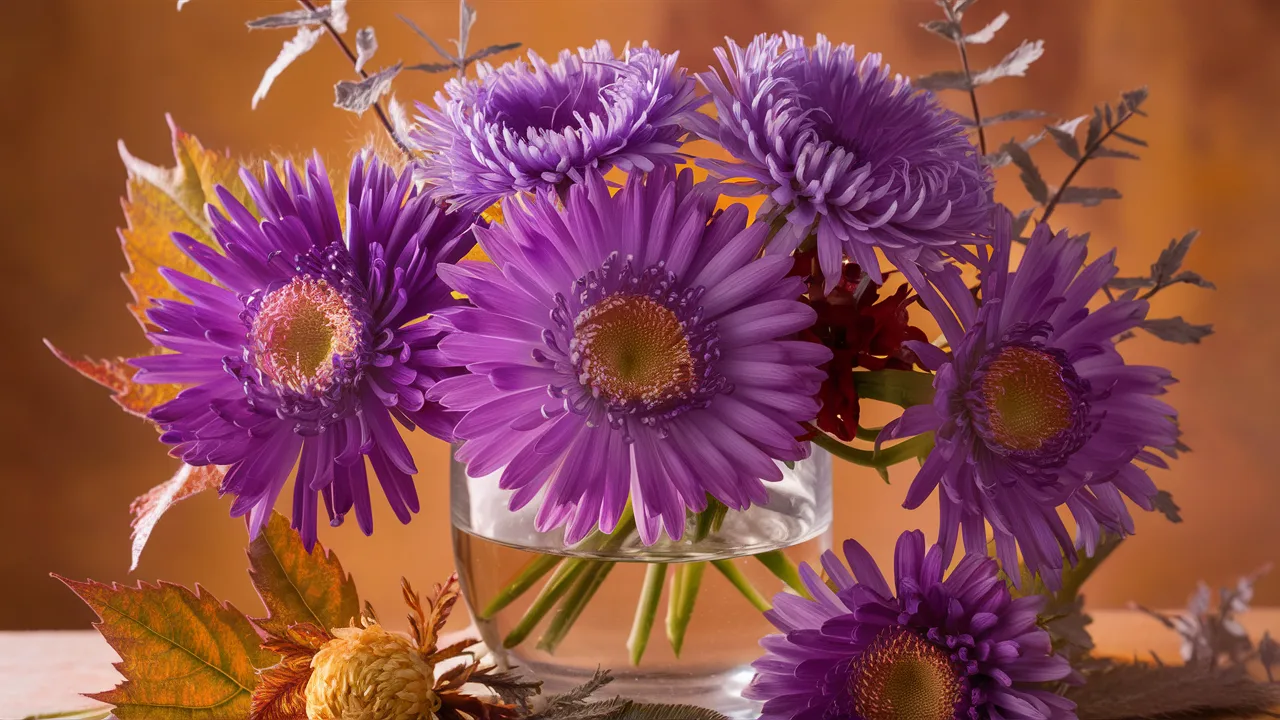
The September birth flower holds deep symbolic meaning, rich history, and timeless beauty. For those born in the ninth month of the year, birth flowers represent personality traits, emotional depth, and cultural significance that date back centuries. September is unique because it is associated with not just one, but two stunning blooms: the aster and the morning glory. Each flower carries its own story, symbolism, and charm, making them meaningful gifts and decorative elements for birthdays, anniversaries, and seasonal celebrations.
In this comprehensive guide, we explore everything about the September birth flower, including its origins, historical roots, symbolic meanings, color variations, gardening insights, and thoughtful gift ideas. Whether you are researching for a birthday surprise, floral design inspiration, or simply expanding your botanical knowledge, this article delivers a complete and authoritative overview.
What Is the September Birth Flower?
The September birth flower includes two primary blooms: the aster and the morning glory. Both flowers represent unique characteristics that align beautifully with individuals born in September.
The aster is the more traditional birth flower for September. Its name comes from the Greek word for “star,” reflecting its star-shaped petals. The morning glory, known for its vibrant trumpet-shaped blooms, opens with the sunrise and closes later in the day, symbolizing renewal and fleeting beauty.
Together, these flowers embody themes of love, wisdom, resilience, and new beginnings.
The Aster: Symbolism and Meaning September Birth Flower
The aster has long been associated with powerful symbolism. In ancient mythology, asters were believed to have grown from the tears of the Greek goddess Astraea. Their star-like shape led to associations with divine energy and celestial beauty.
Symbolic Meanings of the Aster
-
Wisdom and Patience: Reflecting maturity and calm understanding.
-
Faith and Trust: Representing deep emotional connections.
-
Love and Devotion: Often given to express admiration and affection.
-
Elegance and Grace: Due to its refined and delicate appearance.
The aster’s layered petals and vibrant colors make it a popular addition to fall bouquets and birthday arrangements.
The Morning Glory: Symbolism and Meaning September Birth Flower
The morning glory is equally captivating as a September birth flower. Known for blooming in the early hours of the day, it symbolizes renewal, affection, and the fleeting nature of time.
Symbolic Meanings of the Morning Glory
-
Renewal and Fresh Starts: Opening with the sunrise represents new opportunities.
-
Affection and Love: A symbol of strong emotional bonds.
-
Mortality and Appreciation: Its short blooming cycle reminds us to value each day.
Morning glories climb elegantly along fences and trellises, adding vibrant beauty to gardens and landscapes.
Colors and Their Significance September Birth Flower
Both September birth flowers come in various shades, each carrying distinct symbolism.
Aster Colors
-
Purple Aster: Royalty, wisdom, and dignity.
-
White Aster: Purity and innocence.
-
Pink Aster: Love and sensitivity.
-
Blue Aster: Calmness and stability.
Morning Glory Colors
-
Blue Morning Glory: Serenity and peace.
-
Purple Morning Glory: Spiritual growth and admiration.
-
Pink Morning Glory: Tender affection.
-
White Morning Glory: Clarity and sincerity.
Selecting specific colors adds personalized meaning when gifting September birth flowers.
Historical and Cultural Significance September Birth Flower
The tradition of birth flowers dates back to ancient Roman and Greek civilizations, where flowers were associated with months based on seasonal blooming patterns. Over time, Victorian-era floriography—also known as the language of flowers—formalized these associations.
In Victorian culture, gifting an aster symbolized patience and devotion, while the morning glory represented deep affection. These symbolic meanings continue to influence modern floral gifting traditions.
September September Birth Flower in Astrology
September is associated with the zodiac signs Virgo and Libra. The characteristics of these signs align beautifully with the symbolism of the month’s birth flowers.
-
Virgo (August 23 – September 22): Analytical, practical, and detail-oriented. The aster’s symbolism of wisdom and patience complements Virgo’s thoughtful nature.
-
Libra (September 23 – October 22): Balanced, charming, and relationship-focused. The morning glory’s emphasis on affection and harmony reflects Libra’s personality traits.
This connection enhances the personal meaning of gifting September birth flowers.
Gift Ideas Featuring the September Birth Flower
Choosing a gift inspired by the September birth flower adds sentimental value and personalization.
Floral Arrangements
Elegant bouquets featuring asters and morning glories create thoughtful birthday presents.
Jewelry Designs
Necklaces, earrings, or rings engraved with aster or morning glory motifs offer lasting keepsakes.
Customized Art Prints
Botanical illustrations of September birth flowers make beautiful wall décor.
Gardening Kits
Providing seeds or starter kits allows recipients to grow their own symbolic blooms.
Each option reflects intentionality and deeper meaning.
How to Grow Asters and Morning Glories September Birth Flower
For gardening enthusiasts, cultivating September birth flowers offers long-term enjoyment.
Growing Asters
-
Prefer well-drained soil and full sunlight.
-
Require moderate watering.
-
Bloom in late summer and early fall.
-
Attract pollinators like butterflies.
Growing Morning Glories
-
Thrive in warm climates.
-
Need support structures for climbing.
-
Bloom during sunny mornings.
-
Grow quickly from seeds.
Proper care ensures vibrant and healthy blossoms throughout their blooming season.
Why the September Birth Flower Remains Popular
The enduring popularity of the September birth flower stems from its layered symbolism, seasonal beauty, and versatility. Asters and morning glories transition perfectly into autumn landscapes, offering vibrant color when many other flowers begin to fade. Their emotional meanings resonate across cultures, making them timeless choices for celebrations and expressions of affection.
Conclusion September Birth Flower
The September birth flower—represented by the elegant aster and the vibrant morning glory—carries profound symbolism, historical depth, and seasonal charm. From representing wisdom and patience to symbolizing renewal and affection, these flowers beautifully capture the spirit of those born in September. Whether given as a bouquet, planted in a garden, or crafted into jewelry, September birth flowers offer meaningful and memorable ways to celebrate life’s special moments.
Understanding their origins, symbolism, and care requirements allows us to appreciate not just their beauty, but their enduring significance in cultural and personal traditions.
Frequently Asked Questions (FAQ)
What is the official September birth flower?
The traditional September birth flowers are the aster and the morning glory.
What does the September birth flower symbolize?
Asters symbolize wisdom, patience, and devotion, while morning glories represent renewal and affection.
Are there two September birth flowers?
Yes, both the aster and the morning glory are recognized as September birth flowers.
What colors do September birth flowers come in?
Asters come in purple, pink, white, and blue, while morning glories bloom in shades of blue, purple, pink, and white.
Can I grow September birth flowers at home?
Yes, both asters and morning glories can be grown successfully with proper sunlight, soil, and watering conditions.
