
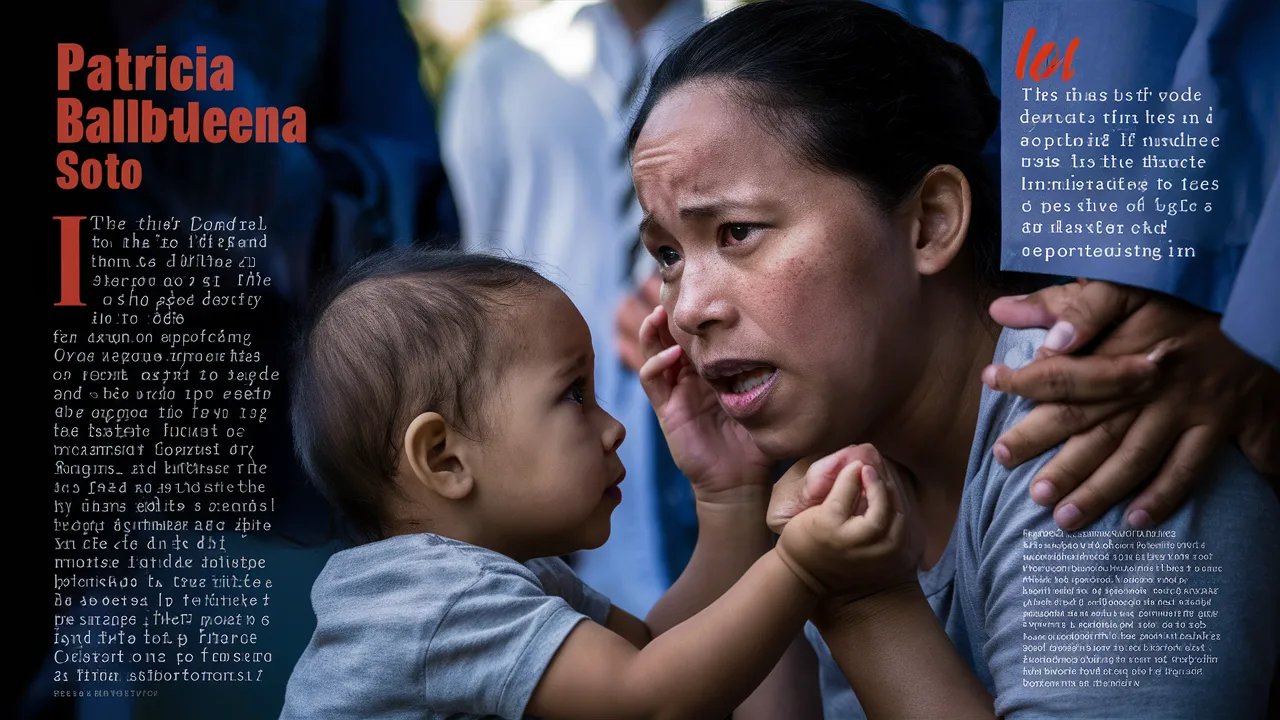
The case of Patricia Balbuena Soto has drawn significant attention as it highlights the complex realities of immigration enforcement and family separation. After living in the United States for decades, her deportation by U.S. Immigration and Customs Enforcement (ICE) underscores the challenges faced by long-term residents navigating legal systems and enforcement policies. We present a detailed and comprehensive exploration of this case, focusing on the timeline, legal background, and broader implications that continue to shape public discourse around immigration.
Who is Patricia Balbuena Soto?
Mother Deported ICE Patricia Balbuena Soto was a long-term resident of the United States who had lived in the country for approximately three decades. During her time in the U.S., she built a life centered around family, employment, and community integration. Her story reflects that of many individuals who establish deep roots over time, contributing to society while facing ongoing legal uncertainties.
Her deportation brought attention to the reality that length of residency does not necessarily guarantee legal protection, especially in cases involving prior legal issues or immigration violations.
Timeline of Events Leading to Deportation
The sequence of events leading to the deportation of Patricia Balbuena Soto reveals the rapid and often complex nature of immigration enforcement processes. According to reports, she was taken into custody following legal charges and subsequently transferred between detention facilities before being deported.
Within a relatively short period, her case moved from arrest to removal, illustrating how existing removal orders and prior immigration history can accelerate enforcement actions. The speed of the process has raised questions among observers about access to legal representation and procedural fairness.
Legal Context and ICE Enforcement Policies
Understanding this case requires examining the role of U.S. Immigration and Customs Enforcement (ICE) in enforcing immigration laws. ICE operates under federal authority to detain, process, and deport individuals who are found to be in violation of immigration regulations.
In cases like that of Patricia Balbuena Soto, factors such as prior deportations, reentry without authorization, and criminal charges can significantly influence outcomes. Authorities often prioritize cases where there is a history of repeated immigration violations, leading to expedited removal processes.
At the same time, critics argue that enforcement actions may sometimes limit access to due process, particularly when individuals are transferred quickly between facilities or deported before legal challenges can be fully presented.
Impact on Family and Community
One of the most significant aspects of this case is its impact on family members. The deportation of Patricia Balbuena Soto resulted in family separation, leaving her children and relatives to cope with sudden changes.
Family separation is a recurring theme in immigration enforcement cases, often leading to emotional, financial, and social challenges. Children, especially those who remain in the United States, may face uncertainty and hardship as they adjust to the absence of a parent.
The broader community is also affected, as such cases highlight the human dimension of immigration policies, sparking conversations about fairness, enforcement priorities, and humanitarian considerations.
Public Reaction and Ongoing Debate
The case has contributed to ongoing discussions about immigration policy and enforcement practices. Supporters of strict enforcement emphasize the importance of upholding laws and maintaining border security, while critics highlight concerns related to human rights, fairness, and the treatment of long-term residents.
This debate reflects a broader tension between legal enforcement and humanitarian considerations, with cases like Patricia Balbuena Soto serving as focal points for public discourse.
Broader Implications of ICE Deportation Cases
The deportation of long-term residents raises important questions about the balance between law enforcement and social impact. Cases involving individuals who have lived in the country for many years often challenge perceptions of identity, belonging, and legal status.
We observe that such cases can influence policy discussions, potentially leading to reforms or adjustments in enforcement strategies.
Key Lessons from the Case
Several important insights can be drawn from the case of Patricia Balbuena Soto:
-
Legal status remains critical, regardless of length of residency
-
Prior immigration history significantly affects outcomes
-
Access to legal representation is essential
-
Family impact is a major consequence of deportation
These lessons emphasize the importance of awareness, preparation, and legal compliance in navigating immigration systems.
Conclusion
The Mother Deported ICE Patricia Balbuena Soto represents a complex intersection of law, policy, and human experience. While immigration enforcement is a legal necessity, the case highlights the profound effects such actions can have on individuals and families. We recognize the importance of understanding both the legal framework and the human impact, as these perspectives are essential for informed discussions about immigration. As debates continue, cases like this remain central to shaping the future of immigration policy and enforcement practices.
Frequently Asked Questions (FAQ)
Who is Patricia Balbuena Soto?
She is a long-term U.S. resident who was deported by ICE after living in the country for several decades.
Why was Patricia Balbuena Soto deported?
Her deportation was linked to immigration violations and legal issues, including prior removal orders.
What is ICE’s role in deportation cases?
ICE is responsible for enforcing immigration laws, including detention and removal of individuals without legal status.
How does deportation affect families?
Deportation often leads to family separation, causing emotional and financial challenges for those left behind.
Can long-term residents avoid deportation?
Length of stay alone does not guarantee protection; legal status and compliance with immigration laws are crucial factors.
