
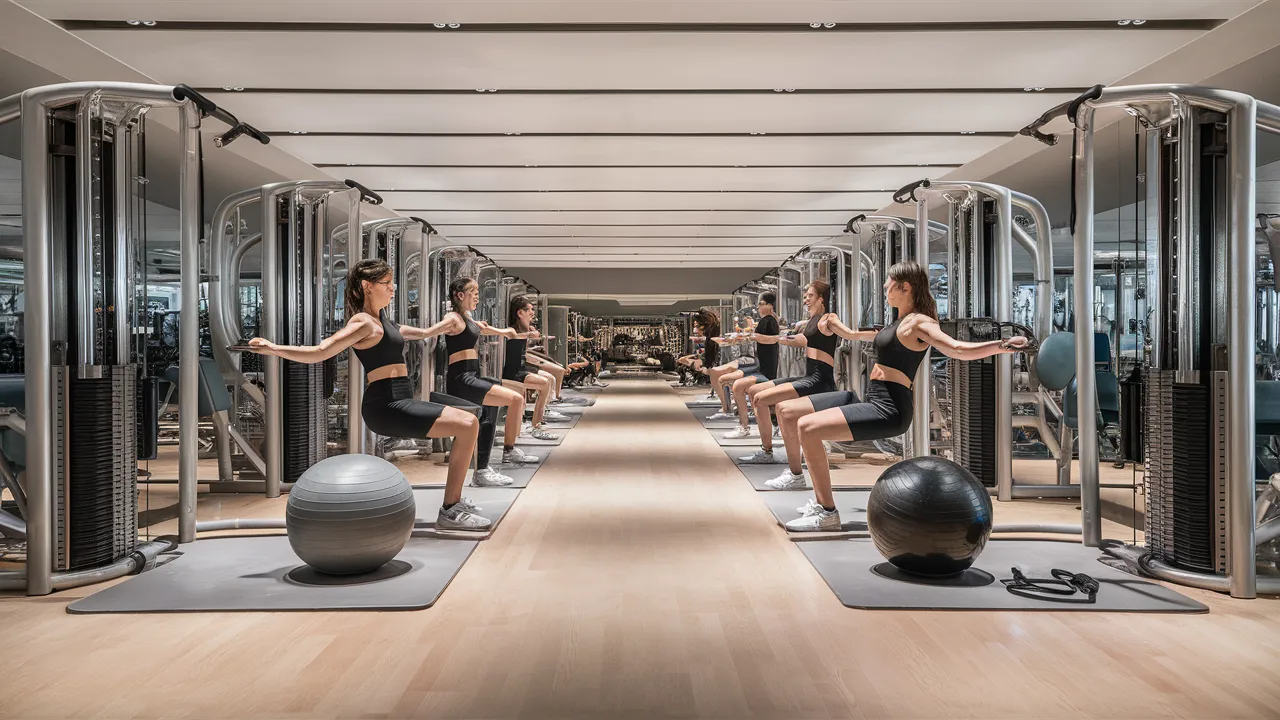
The pallof press has become one of the most effective and widely recommended exercises for developing core stability, strength, and control. Unlike traditional core exercises that focus on movement, the pallof press emphasizes resistance against rotation, making it a powerful tool for improving balance, posture, and overall athletic performance. We explore every aspect of the pallof press, from its proper execution to its benefits, variations, and role in injury prevention. By mastering this exercise, we unlock a new level of functional strength that translates into everyday activities and advanced athletic movements.
What Is the Pallof Press?
The pallof press is a resistance-based exercise designed to strengthen the core by challenging the body’s ability to resist rotational forces. Typically performed using a resistance band or cable machine, the exercise requires the individual to press the resistance away from the chest while maintaining a stable and controlled posture.
This anti-rotation movement is what sets the pallof press apart. Instead of bending or twisting, the body must remain firm and aligned, engaging deep core muscles to stabilize against external force. This unique approach makes it one of the most effective exercises for building functional core strength.
How to Perform the Pallof Press Correctly
Mastering the correct form is essential to maximize the benefits of the pallof press and prevent injury.
Step-by-Step Instructions
- Attach a resistance band or cable at chest height.
- Stand perpendicular to the anchor point with feet shoulder-width apart.
- Hold the handle close to your chest with both hands.
- Engage your core and maintain a neutral spine.
- Slowly press the handle straight out in front of you.
- Hold the extended position briefly while resisting rotation.
- Return the handle to your chest in a controlled manner.
Consistency and control are critical. The goal is not speed but stability and precision.
Muscles Worked in the Pallof Press
The pallof press engages multiple muscle groups, making it a highly efficient exercise.
Primary Muscles
- Core muscles, including the abdominals and obliques
- Transverse abdominis, responsible for deep core stabilization
Secondary Muscles
- Shoulders
- Chest
- Glutes
By targeting these muscles simultaneously, the pallof press enhances overall body coordination and strength.
Benefits of the Pallof Press
The pallof press exercise offers a wide range of benefits that extend beyond traditional core training.
Improved Core Stability
The anti-rotation nature of the exercise strengthens the core’s ability to stabilize the body during movement.
Enhanced Posture
By engaging stabilizing muscles, the pallof press helps maintain proper alignment and reduces strain on the spine.
Injury Prevention
A strong and stable core reduces the risk of injuries, particularly in the lower back.
Functional Strength Development
The exercise mimics real-life movements, improving performance in daily activities and sports.
Pallof Press Variations for Advanced Training
To keep workouts challenging and effective, we incorporate different pallof press variations.
Kneeling Pallof Press
Performing the exercise in a kneeling position increases core engagement and reduces lower body assistance.
Overhead Pallof Press
Pressing the resistance upward adds a new dimension of difficulty and targets additional muscle groups.
Single-Arm Pallof Press
Using one arm increases instability, forcing the core to work harder to maintain balance.
Walking Pallof Press
Adding movement enhances coordination and dynamic stability.
These variations allow for progressive overload and continuous improvement.
Common Mistakes to Avoid
To achieve the best results, it is important to avoid common errors when performing the pallof press.
- Allowing the torso to rotate instead of resisting movement
- Using excessive weight that compromises form
- Neglecting core engagement during the exercise
- Rushing through repetitions without control
Maintaining proper technique ensures maximum effectiveness and safety.
Integrating the Pallof Press Into Your Workout Routine
The pallof press can be incorporated into various training programs depending on individual goals.
For Beginners
Start with light resistance and focus on mastering form.
For Intermediate Users
Increase resistance and incorporate variations to enhance difficulty.
For Advanced Athletes
Combine the pallof press with dynamic movements for maximum challenge.
Including this exercise in your routine helps build a strong, stable, and resilient core.
Why the Pallof Press Is Essential for Modern Fitness
In modern fitness, the emphasis has shifted toward functional training, and the pallof press perfectly aligns with this approach. It trains the body to resist unwanted movement, which is crucial for maintaining stability during complex activities.
This makes the pallof press not just an exercise but a foundational movement that supports overall physical performance and health.
Conclusion
The pallof press stands out as one of the most effective exercises for building core stability, strength, and resilience. Its unique anti-rotation focus sets it apart from traditional core exercises, offering benefits that extend into everyday life and athletic performance. By mastering proper form, exploring variations, and integrating it into a structured workout routine, we can unlock its full potential. Whether for beginners or advanced athletes, the pallof press remains an essential tool for achieving a strong and stable core.
FAQ About the Pallof Press
What is the pallof press used for?
The pallof press is used to improve core stability, strength, and resistance to rotational forces.
Is the pallof press suitable for beginners?
Yes, beginners can perform the exercise using light resistance and focusing on proper form.
How often should I do the pallof press?
It can be included in workouts 2–3 times per week, depending on your training program.
What equipment is needed for the pallof press?
A resistance band or cable machine is typically used.
Does the pallof press help with back pain?
Yes, by strengthening the core and improving stability, it can help reduce the risk of lower back pain.
