
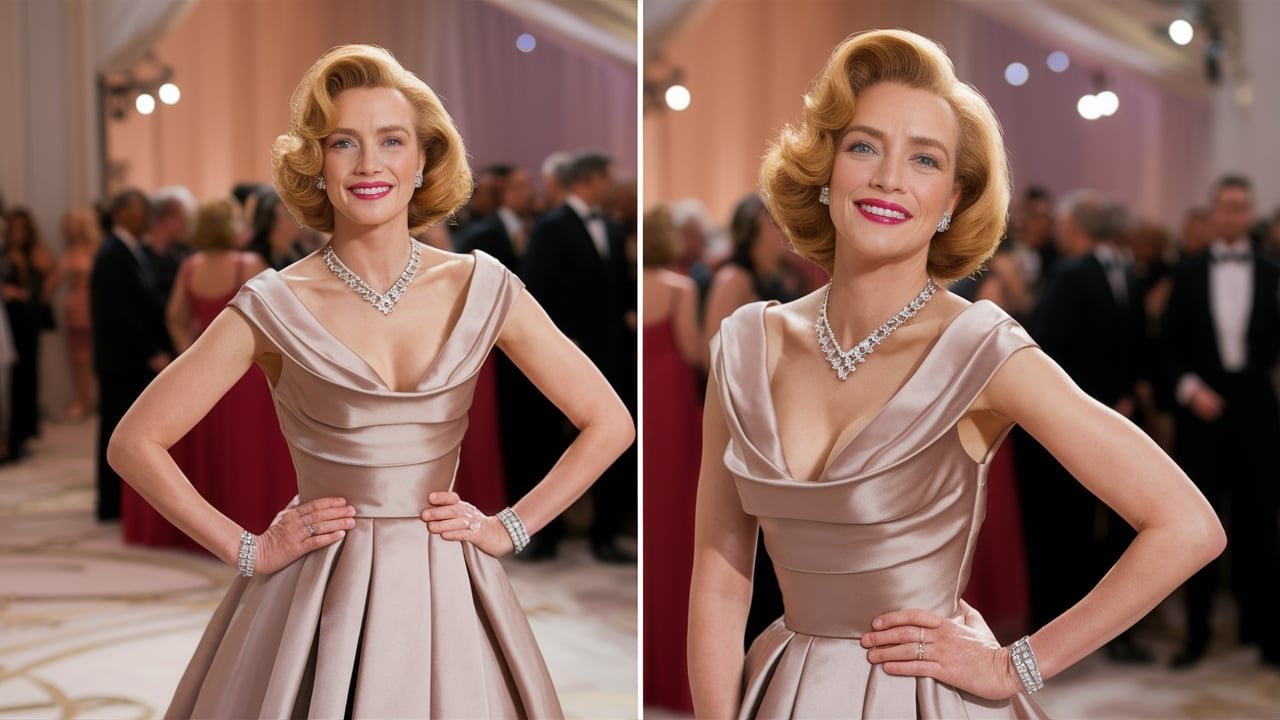
We explore the life of Dorothy Bowles Ford, a woman whose name remains closely linked to American political history through her early marriage to Gerald R. Ford, the 38th President of the United States. Although Dorothy Bowles Ford lived largely outside the public spotlight, her life story provides valuable insight into the formative years of a future president and the social realities of women connected to political figures during the early twentieth century. By examining her background, personal life, and historical context, we present a complete and authoritative account that preserves her place in American history.
Early Life and Family Background of Dorothy Bowles Ford
Dorothy Bowles Ford was born in the early twentieth century in the United States, a period marked by rapid social change and evolving roles for women. She grew up in a middle-class environment that valued education, independence, and civic awareness. Her upbringing reflected the values of the time, emphasizing personal responsibility and cultural refinement, qualities that later shaped her adult life and relationships.
We understand Dorothy Bowles Ford as a woman shaped by her era, navigating opportunities and constraints common to women of her generation. Her early life laid the foundation for her intellectual independence and strong personality, traits often noted in historical references to her character.
Education and Personal Development
Dorothy Bowles Ford pursued higher education at a time when college attendance among women was becoming more common but was still far from universal. Her academic background contributed to her broad worldview and her ability to engage thoughtfully with political and social issues. Education played a critical role in shaping her identity, allowing her to develop confidence and independence that defined her later decisions.
We recognize her educational journey as an essential component of her biography, reflecting the increasing visibility of educated women in early twentieth-century America.
Marriage to Gerald Ford
The marriage between Dorothy Bowles Ford and Gerald Ford represents a significant chapter in both their lives. Gerald Ford, then a young man with aspirations in law and public service, married Dorothy during his formative years. Their relationship unfolded before Gerald Ford’s political rise, offering a rare glimpse into his personal life before national prominence.
We present this marriage not as a footnote, but as a meaningful personal chapter that influenced both individuals. Their union reflected the complexities of young adulthood, ambition, and evolving personal goals during a transformative period in American society.
Challenges and Separation
Despite shared beginnings, the marriage between Dorothy Bowles Ford and Gerald Ford eventually ended in separation and divorce. This outcome underscores the personal challenges faced by individuals whose life paths diverge over time. The separation occurred long before Gerald Ford entered the national political arena, allowing both parties to pursue their respective futures independently.
We address this period with respect and clarity, emphasizing that the dissolution of their marriage was a private matter shaped by personal circumstances rather than public controversy.
Life After Divorce
After her divorce, Dorothy Bowles Ford chose a life largely removed from public attention. Unlike many individuals connected to political figures, she did not seek media exposure or public recognition. Instead, she focused on her personal life, maintaining privacy and independence.
We recognize her decision to remain out of the spotlight as a deliberate and dignified choice, reflecting her values and desire for autonomy. Her post-marriage life reinforces the understanding that historical relevance does not always require public visibility.
Dorothy Bowles Ford’s Character and Personal Values
Historical references consistently describe Dorothy Bowles Ford as intelligent, independent, and principled. These qualities shaped her relationships and life choices, distinguishing her as a woman of substance rather than merely a historical association. We highlight her character as central to understanding her legacy.
Her commitment to personal integrity and self-determination aligns with broader social changes of her era, particularly the growing assertion of women’s independence in personal and professional spheres.
Historical Context and Social Significance
We place Dorothy Bowles Ford within the broader context of early twentieth-century America, a time of political transformation, economic uncertainty, and shifting gender roles. Her life intersected with significant historical currents, even as she remained personally removed from public affairs.
By examining her story within this context, we gain a deeper appreciation for the experiences of women whose lives touched political history without being defined by it.
Relationship to Gerald Ford’s Political Legacy
Although Dorothy Bowles Ford was not part of Gerald Ford’s later political career, her presence in his early life contributes to a fuller understanding of his personal development. We acknowledge this connection without overstating its influence, maintaining historical accuracy and balance.
Her role serves as an important reminder that political figures are shaped by personal relationships long before they assume public office.
Public Interest and Enduring Relevance
Interest in Dorothy Bowles Ford persists due to her association with Gerald Ford and the enduring curiosity surrounding presidential families. We address this interest with factual clarity, avoiding speculation and focusing on verifiable aspects of her life.
Her story remains relevant as an example of dignity, privacy, and independence within the broader narrative of American political history.
Conclusion
We conclude that Dorothy Bowles Ford deserves recognition as an individual of historical interest, defined not solely by her marriage to a future president, but by her character, education, and life choices. Her biography enriches our understanding of the personal dimensions of political history and highlights the importance of acknowledging figures who lived meaningful lives beyond public acclaim. By presenting a comprehensive and respectful account, we preserve her legacy with accuracy and depth.
Frequently Asked Questions (FAQ)
Who was Dorothy Bowles Ford?
Dorothy Bowles Ford was the first wife of Gerald R. Ford, the 38th President of the United States, known for her education, independence, and private life.
Was Dorothy Bowles Ford involved in politics?
No, Dorothy Bowles Ford did not actively participate in politics and lived largely outside the public sphere.
Why did Dorothy Bowles Ford and Gerald Ford divorce?
Their marriage ended due to personal differences and diverging life paths, long before Gerald Ford’s political career began.
Did Dorothy Bowles Ford remarry?
Historical records focus primarily on her early marriage and subsequent private life, with limited public documentation beyond that period.
Why is Dorothy Bowles Ford still of interest today?
Her connection to Gerald Ford and her role in early presidential history continue to generate public and historical interest.
