
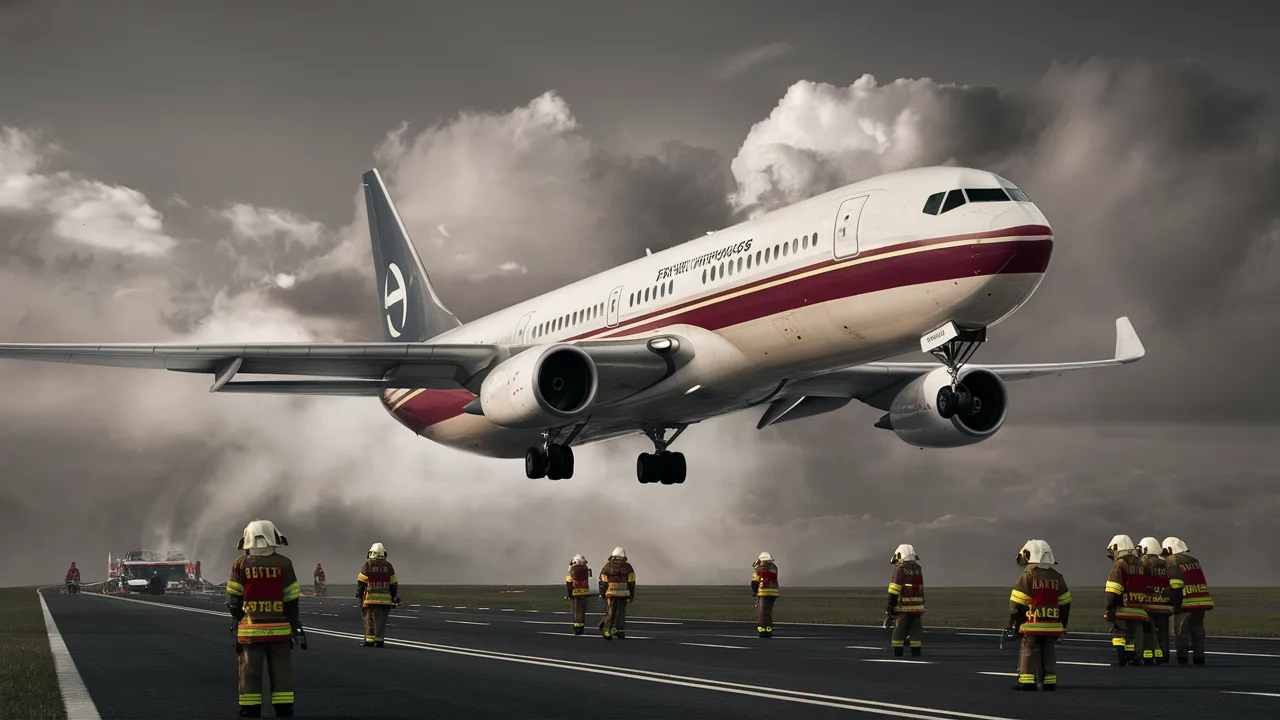
Airline diversions are rare but important events in modern aviation, designed to protect passengers and crew when unexpected situations occur. The Flight UA885 diversion quickly became a topic of interest among travelers, aviation enthusiasts, and news readers who wanted to understand why the aircraft altered its planned route. When a flight is diverted, it typically means that the pilot and airline operations team have decided to land at a different airport than originally scheduled due to safety, technical, medical, or weather-related concerns.
The flight identified as UA885 flight number is operated by United Airlines, one of the largest commercial airlines in the world. Like all major airlines, United follows strict aviation safety regulations and operational protocols to ensure passenger safety during unexpected situations. When a diversion occurs, it is not a sign of failure but rather a demonstration of the aviation industry’s commitment to precaution and safety.
This article explores the Flight UA885 diversion, the possible causes behind airline diversions, how pilots make these decisions mid-flight, and what passengers typically experience during such events.
What Is a Flight Diversion?
Definition of an Airline Diversion
A flight diversion occurs when an aircraft changes its planned destination and lands at an alternative airport. Diversions can happen for many reasons, including mechanical issues, medical emergencies, severe weather conditions, or operational concerns.
In the case of Flight UA885 Diversion became widely discussed because passengers and flight-tracking observers noticed the aircraft changing course before reaching its intended destination. Aviation authorities and airlines carefully evaluate every situation before making such a decision.
Diversions are a standard safety practice in the aviation industry and are part of every pilot’s training.
Possible Reasons Behind the Flight UA885 Diversion
Technical or Mechanical Precautions
One of the most common reasons for a diversion is a technical precaution. Aircraft systems are constantly monitored by pilots and onboard computers. If a system alert appears that requires inspection, pilots may choose to land at the nearest suitable airport.
Modern aircraft are extremely safe, and many alerts are precautionary rather than critical. Nevertheless, aviation regulations prioritize safety above all else.
When such alerts occur, the flight crew communicates with airline operations and decides whether continuing to the destination is safe or if a diversion is the better option.
Medical Emergencies Onboard
Another frequent cause of flight diversions is a medical emergency involving a passenger or crew member. If someone onboard requires urgent medical attention, the aircraft may divert to the nearest airport where medical professionals can provide immediate care.
Commercial aircraft carry basic medical supplies, but certain conditions require hospital treatment as quickly as possible. In such situations, pilots work with air traffic controllers to land at the closest appropriate airport.
Weather Conditions
Weather remains one of the most unpredictable factors in aviation. Severe storms, turbulence, heavy winds, or reduced visibility at the destination airport can force pilots to divert to a safer location.
Even if weather conditions appear manageable earlier in the flight, they can change rapidly. Air traffic controllers and meteorological data constantly update pilots, allowing them to make informed decisions during the journey.
Air Traffic or Airport Operational Issues
Occasionally, flights are diverted due to airport operational challenges. These may include runway closures, congestion, or technical issues affecting airport systems.
When such problems arise, pilots may be instructed by air traffic control to land at another airport until the situation is resolved.
How Pilots Decide to Divert a Flight
Communication with Air Traffic Control
When a potential issue arises, the flight crew communicates with air traffic control and airline operations centers. Together they evaluate the situation and determine the safest course of action.
Pilots consider several factors before making a diversion decision, including fuel levels, distance to nearby airports, runway availability, and weather conditions.
Passenger Safety as the Top Priority
Every decision made during a flight is guided by the principle of maximum passenger safety. Airlines train pilots to respond quickly and calmly to unexpected situations.
Even when a diversion causes inconvenience or delays, the decision ensures that all passengers reach their destination safely.
Passenger Experience During a Diversion
In-Flight Communication
During a diversion, the flight crew usually informs passengers through an onboard announcement explaining the reason for the route change. While details may initially be limited, airlines aim to keep passengers informed as new information becomes available.
Cabin crew members also assist passengers with questions and provide reassurance during the process.
Landing at the Alternate Airport
Once the aircraft lands at the alternate airport, ground staff coordinate the next steps. Depending on the situation, passengers may wait on the aircraft while the issue is resolved, transfer to another aircraft, or temporarily disembark.
Airlines typically provide assistance such as meals, accommodations, or alternative travel arrangements when delays are extended.
How Airlines Manage Diversion Events
Operational Coordination
Airlines maintain dedicated operations centers that monitor flights in real time. These teams coordinate with pilots, airport authorities, and ground staff to ensure smooth handling of diversion situations.
In the case of Flight UA885, the airline would have followed standard procedures to manage the unexpected change and minimize disruption.
Safety Inspections and Follow-Up
If a diversion occurs due to a technical alert, maintenance teams inspect the aircraft before it continues its journey. This ensures that any potential issue is addressed before passengers resume travel.
These inspections are an essential part of aviation safety protocols.
Why Flight Diversions Are a Sign of Safety
Although diversions can be inconvenient, they actually demonstrate the strength of modern aviation safety systems. Pilots, airlines, and aviation authorities prefer to act cautiously rather than take unnecessary risks.
Every aircraft is equipped with advanced technology, and every crew member undergoes extensive training to handle unexpected situations calmly and effectively.
For passengers, a diversion means that safety procedures are working exactly as intended.
Conclusion
The Flight UA885 diversion highlights how the aviation industry prioritizes safety above all else. While unexpected route changes may raise questions among passengers and observers, they are a normal part of airline operations designed to ensure the well-being of everyone onboard.
Whether caused by weather, technical checks, medical emergencies, or operational issues, diversions reflect the careful decision-making process that pilots and airline teams follow during every flight. Modern aviation is built on layers of precaution, and each of these layers contributes to making air travel one of the safest forms of transportation in the world.
Understanding how diversions work helps passengers remain calm and informed if such a situation occurs during their own journeys.
Frequently Asked Questions (FAQ)
What is Flight UA885?
Flight UA885 is a commercial flight operated by United Airlines.
Why was Flight UA885 diverted?
Flights can be diverted for several reasons including technical checks, medical emergencies, severe weather, or airport operational issues.
Are flight diversions dangerous?
No. Diversions are safety measures taken by pilots and airlines to avoid potential risks.
Do passengers get compensation after a diversion?
Compensation or assistance depends on the reason for the diversion and airline policies, but airlines usually provide support during delays.
How common are airline diversions?
Diversions are relatively rare, but they occur occasionally as part of normal aviation safety procedures.
