
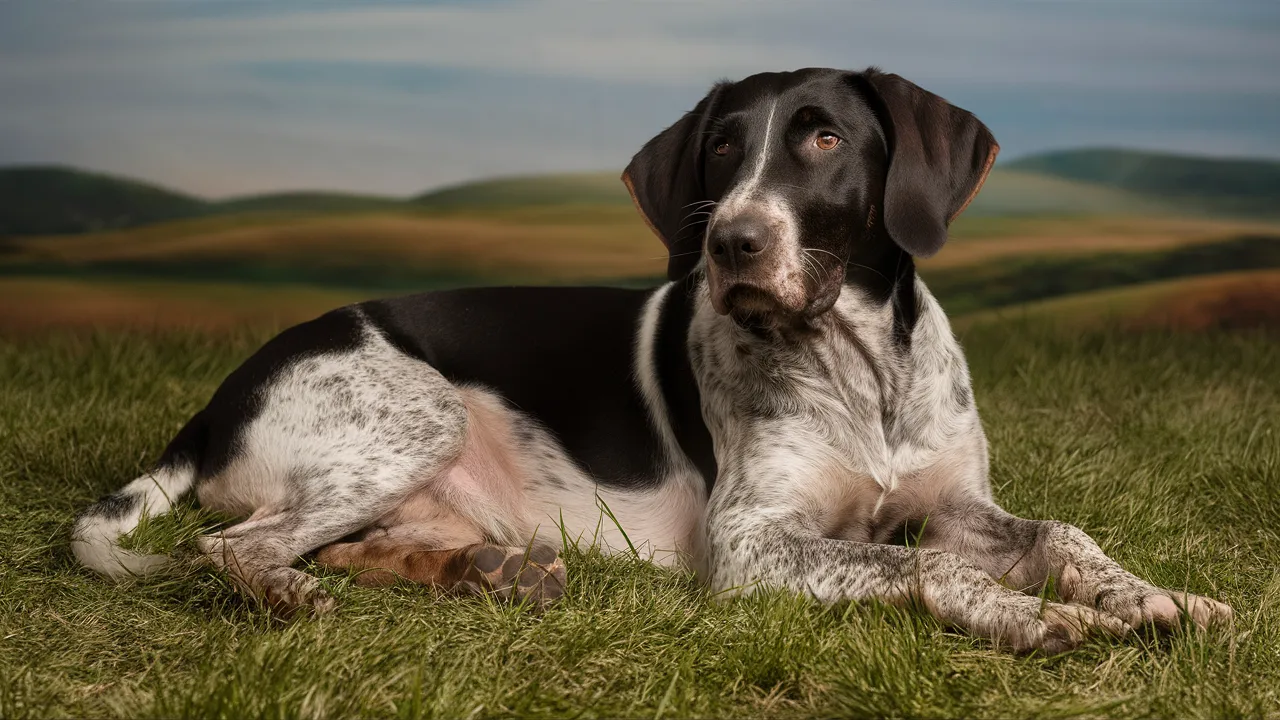
The German Shorthaired Pointer SC is widely regarded as one of the most versatile and intelligent dog breeds in the world. Known for its agility, stamina, and friendly personality, this breed has captured the hearts of hunters, families, and dog enthusiasts alike. In this comprehensive guide, we will explore everything you need to know about the German Shorthaired Pointer SC, from its history and characteristics to care, training, and suitability as a family companion.
History of the German Shorthaired Pointer SC
The German Shorthaired Pointer SC originated in Germany during the 19th century. Breeders sought to create a dog that combined excellent hunting instincts with a friendly temperament, capable of working on both land and water. By crossing spaniels, bloodhounds, and other pointers, they developed a breed with unmatched versatility. Today, the SC (Special Club) lines often refer to carefully bred GSPs that adhere to specific show or performance standards, emphasizing conformation, health, and temperament.
Physical Characteristics of the German Shorthaired Pointer SC
German Shorthaired Pointers SC are medium to large dogs with a lean, muscular build, reflecting their athleticism and endurance. Key physical traits include:
-
Height: 21–25 inches (53–64 cm) at the shoulder
-
Weight: 45–70 pounds (20–32 kg)
-
Coat: Short, dense, water-resistant, typically liver, liver and white, or roan patterns
-
Eyes: Dark and expressive, reflecting intelligence and alertness
-
Ears: Broad, slightly rounded, hanging close to the head
These features are designed to support long days in the field, enabling the dog to track, point, and retrieve with precision.
Temperament and Personality
The German Shorthaired Pointer SC is known for its friendly, energetic, and intelligent personality. Key temperament traits include:
-
High Energy Levels: GSPs are active dogs that require regular exercise and mental stimulation.
-
Affectionate and Loyal: They bond strongly with family members and are generally good with children.
-
Intelligence and Trainability: Highly trainable, making them suitable for obedience, agility, and hunting tasks.
-
Sociable Nature: They usually get along well with other dogs, especially when properly socialized from a young age.
This combination of traits makes the German Shorthaired Pointer SC ideal for families, hunters, and active individuals who can meet the dog’s physical and mental needs.
Training and Exercise Needs
Due to their high intelligence and energy, the German Shorthaired Pointer SC requires consistent training and ample exercise. Without proper outlets for their energy, they may develop undesirable behaviors, such as excessive barking or digging. Recommended training strategies include:
-
Early Socialization: Introduce the dog to different environments, people, and animals at a young age.
-
Positive Reinforcement: Use treats, praise, and interactive play to encourage desired behaviors.
-
Regular Exercise: Daily walks, running, fetch, and swimming are essential to maintain both physical and mental health.
-
Advanced Training: Many GSPs excel in agility, hunting trials, and obedience competitions, making these activities excellent channels for energy release.
With proper guidance, a German Shorthaired Pointer SC can become a well-mannered, obedient, and happy companion.
Health and Lifespan
The German Shorthaired Pointer SC is generally a healthy and robust breed, with a lifespan of 12–14 years. However, responsible owners should be aware of potential health concerns:
-
Hip Dysplasia: A common concern in larger breeds; regular vet checkups are recommended.
-
Bloat (Gastric Dilatation-Volvulus): Can be life-threatening; feeding smaller meals and avoiding vigorous exercise immediately after eating can help.
-
Eye Conditions: Regular ophthalmologic checkups are suggested to prevent inherited vision problems.
Regular veterinary care, a balanced diet, and consistent exercise are key to ensuring a long, healthy life for a German Shorthaired Pointer SC.
Diet and Nutrition
Feeding the German Shorthaired Pointer SC requires attention to quality nutrition and portion control. Due to their high activity level, these dogs need protein-rich diets to support muscle maintenance and energy demands. Tips for proper nutrition include:
-
High-Quality Dog Food: Look for foods with lean protein sources such as chicken, beef, or fish.
-
Portion Management: Avoid overfeeding to prevent obesity, which can strain joints and reduce mobility.
-
Hydration: Always ensure fresh water is available, particularly after exercise.
-
Supplements: Omega-3 fatty acids and joint-support supplements may help maintain coat health and mobility.
Grooming and Care
The short, dense coat of the German Shorthaired Pointer SC is low-maintenance but requires regular grooming to maintain health and appearance:
-
Brushing: Weekly brushing removes loose hair and maintains coat shine.
-
Bathing: Occasional baths as needed, particularly after outdoor activities.
-
Nail Trimming: Regular trimming prevents discomfort and injury.
-
Ear Cleaning: Check ears weekly to prevent infections, especially in active or hunting dogs.
These simple grooming routines ensure the dog remains clean, healthy, and comfortable.
Suitability for Families and Hunters
The German Shorthaired Pointer SC is highly versatile, making it suitable for:
-
Active Families: Children benefit from having a playful, affectionate companion, while adults enjoy a loyal and intelligent dog.
-
Hunting Enthusiasts: GSPs excel in retrieving, pointing, and tracking, making them exceptional hunting partners.
-
Dog Sports Enthusiasts: Their agility, endurance, and intelligence make them ideal for competitions in obedience, agility, and field trials.
Owners must be prepared to provide exercise, mental stimulation, and consistent training to ensure a harmonious relationship.
Conclusion
The German Shorthaired Pointer SC stands out as a breed that combines athleticism, intelligence, and loyalty. Perfect for families, hunters, and active individuals, this breed thrives when given ample exercise, consistent training, and love. With proper care, the German Shorthaired Pointer SC can be a joyful, obedient, and versatile companion, offering both companionship and impressive performance in fieldwork or sports. For anyone seeking a dynamic, affectionate, and intelligent dog, the German Shorthaired Pointer SC remains an exceptional choice.
Frequently Asked Questions (FAQ)
Q1: What is the lifespan of a German Shorthaired Pointer SC?
Typically, 12–14 years with proper care, exercise, and nutrition.
Q2: Are German Shorthaired Pointer SC dogs good with children?
Yes, they are affectionate, playful, and loyal, making them great family companions.
Q3: How much exercise does a German Shorthaired Pointer SC need?
They require at least 1–2 hours of daily physical activity, including walks, runs, or playtime.
Q4: Are they easy to train?
Yes, due to their high intelligence and eagerness to please, they respond well to positive reinforcement and consistent training.
Q5: What health concerns should owners be aware of?
Common issues include hip dysplasia, bloat, and inherited eye conditions. Regular veterinary care is essential.
