
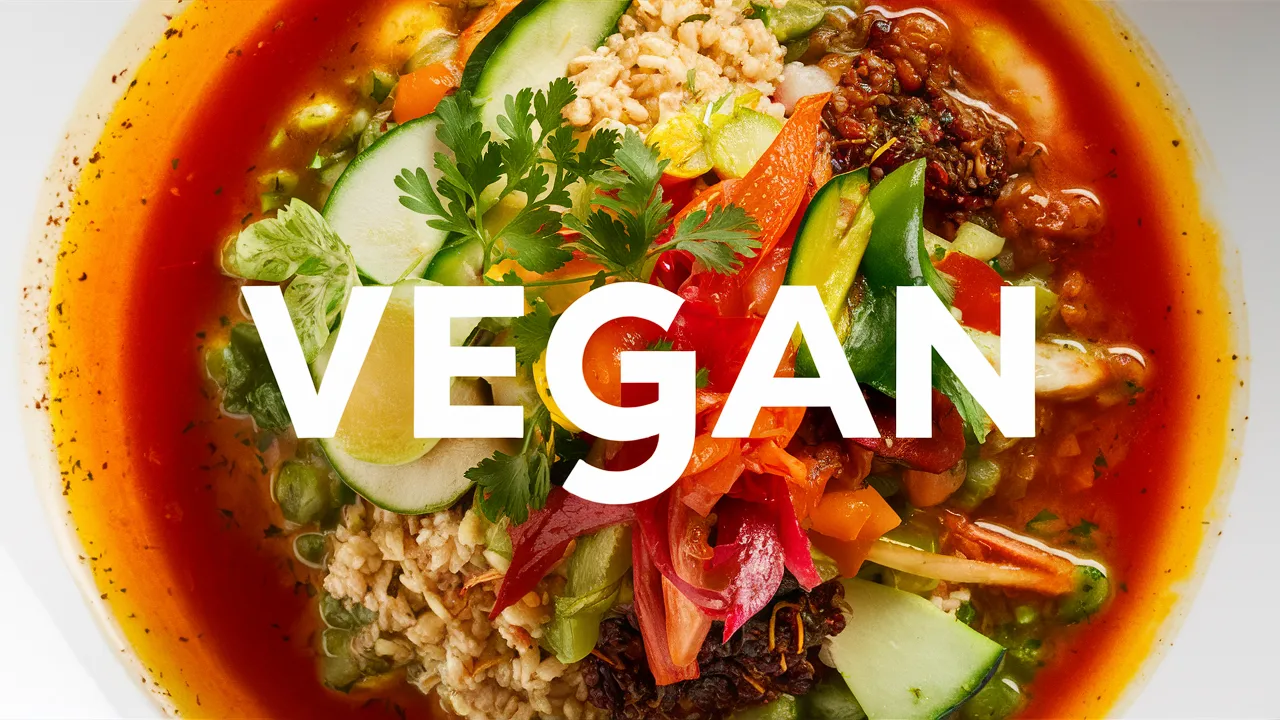
The concept of veganisch, widely recognized as a plant-based lifestyle free from animal products, has grown into a global movement driven by health awareness, ethical considerations, and environmental responsibility. As more individuals seek sustainable ways of living, the veganisch approach offers a comprehensive framework that combines nutrition, compassion, and ecological mindfulness. We present an in-depth exploration of veganisch living, focusing on its principles, benefits, and practical implementation, ensuring a complete understanding of this transformative lifestyle.
What Does Veganisch Mean?
The term veganisch originates from the German language and refers to a lifestyle that excludes all forms of animal-derived products. This includes not only food items such as meat, dairy, and eggs but also extends to clothing, cosmetics, and other goods derived from animals.
At its core, veganisch living is guided by three fundamental pillars: health, ethics, and sustainability. These principles collectively shape the choices individuals make, creating a lifestyle that prioritizes both personal well-being and global responsibility.
The Foundations of a Veganisch Diet
A veganisch diet is built around plant-based foods, offering a wide range of nutrients and flavors. Key components include:
1. Fruits and Vegetables
Rich in vitamins, minerals, and antioxidants, these form the foundation of a healthy veganisch diet.
2. Whole Grains
Foods such as rice, oats, and quinoa provide essential carbohydrates and fiber for sustained energy.
3. Legumes and Plant Proteins
Beans, lentils, and chickpeas serve as primary protein sources, supporting muscle health and overall nutrition.
4. Nuts and Seeds
These provide healthy fats, protein, and essential nutrients, contributing to balanced dietary intake.
5. Plant-Based Alternatives
Dairy and meat substitutes offer familiar textures and flavors, making the transition to veganisch living more accessible.
Health Benefits of Veganisch Living
Adopting a veganisch lifestyle offers numerous health advantages, supported by growing research and global trends.
Improved Heart Health
Plant-based diets are associated with lower cholesterol levels and reduced risk of cardiovascular diseases, promoting long-term heart health.
Weight Management
The emphasis on whole, nutrient-dense foods supports healthy weight maintenance and reduced obesity risk.
Enhanced Digestion
High fiber intake from plant foods improves digestive health and gut function.
Reduced Risk of Chronic Diseases
Studies suggest that veganisch diets may lower the risk of conditions such as type 2 diabetes and certain cancers.
Ethical and Environmental Impact
One of the most compelling aspects of veganisch living is its alignment with ethical and environmental values.
Animal Welfare
By avoiding animal products, individuals contribute to reducing animal exploitation and promoting humane treatment.
Environmental Sustainability
Plant-based diets require fewer natural resources, leading to reduced greenhouse gas emissions, water usage, and deforestation.
Global Resource Efficiency
Shifting toward veganisch consumption helps optimize resource use, supporting a more sustainable global food system.
How to Transition to a Veganisch Lifestyle
Transitioning to veganisch living can be achieved through a structured and gradual approach.
Start with Simple Changes
Begin by replacing common animal products with plant-based alternatives, such as switching to plant milk or meat substitutes.
Plan Balanced Meals
Ensure meals include a variety of nutrients, focusing on protein, vitamins, and minerals.
Explore New Recipes
Experimenting with different cuisines helps maintain excitement and variety in daily meals.
Educate Yourself
Understanding nutritional requirements ensures a healthy and sustainable transition.
Common Challenges and Solutions
While the veganisch lifestyle offers many benefits, certain challenges may arise:
Nutritional Concerns
Ensuring adequate intake of nutrients like vitamin B12, iron, and omega-3 fatty acids is essential. Supplements and fortified foods can help address these needs.
Social and Cultural Factors
Dining out or attending social events may require planning, but the increasing availability of vegan options makes it easier than ever.
Accessibility
In some regions, access to diverse plant-based products may be limited, but focusing on whole foods can overcome this challenge.
Veganisch Recipes and Daily Meal Ideas
Incorporating veganisch meals into daily life can be both enjoyable and practical. A typical day might include:
-
Breakfast: Oatmeal with fruits and nuts
-
Lunch: Quinoa salad with vegetables and legumes
-
Dinner: Stir-fried vegetables with tofu and rice
-
Snacks: Fresh fruit, nuts, or plant-based smoothies
These meals demonstrate how veganisch eating can be nutritious, satisfying, and diverse.
The Future of Veganisch Living
The global shift toward veganisch lifestyles continues to accelerate, driven by increased awareness and innovation. Food technology advancements are introducing new plant-based products and alternatives, making the lifestyle more accessible and appealing.
We anticipate further growth in this movement as individuals and organizations recognize the importance of sustainability, health, and ethical responsibility. The veganisch approach is not merely a trend but a long-term transformation in how people interact with food and the environment.
Conclusion
The veganisch lifestyle represents a powerful and meaningful way to align personal choices with broader values of health, compassion, and sustainability. By embracing plant-based living, individuals can improve their well-being while contributing to a more ethical and environmentally conscious world. We emphasize the importance of informed decisions, balanced nutrition, and consistent commitment in successfully adopting this lifestyle. As awareness continues to grow, veganisch living stands as a cornerstone of modern, responsible living.
Frequently Asked Questions (FAQ)
What does veganisch mean?
Veganisch refers to a lifestyle that avoids all animal products, focusing entirely on plant-based foods and ethical consumption.
Is a veganisch diet healthy?
Yes, when properly planned, it provides essential nutrients and numerous health benefits.
How can beginners start veganisch living?
Start gradually by replacing animal products with plant-based alternatives and learning about balanced nutrition.
Do veganisch diets provide enough protein?
Yes, protein can be obtained from legumes, nuts, seeds, and plant-based products.
Is veganisch living environmentally friendly?
Yes, it significantly reduces resource consumption and environmental impact, supporting sustainability.
