
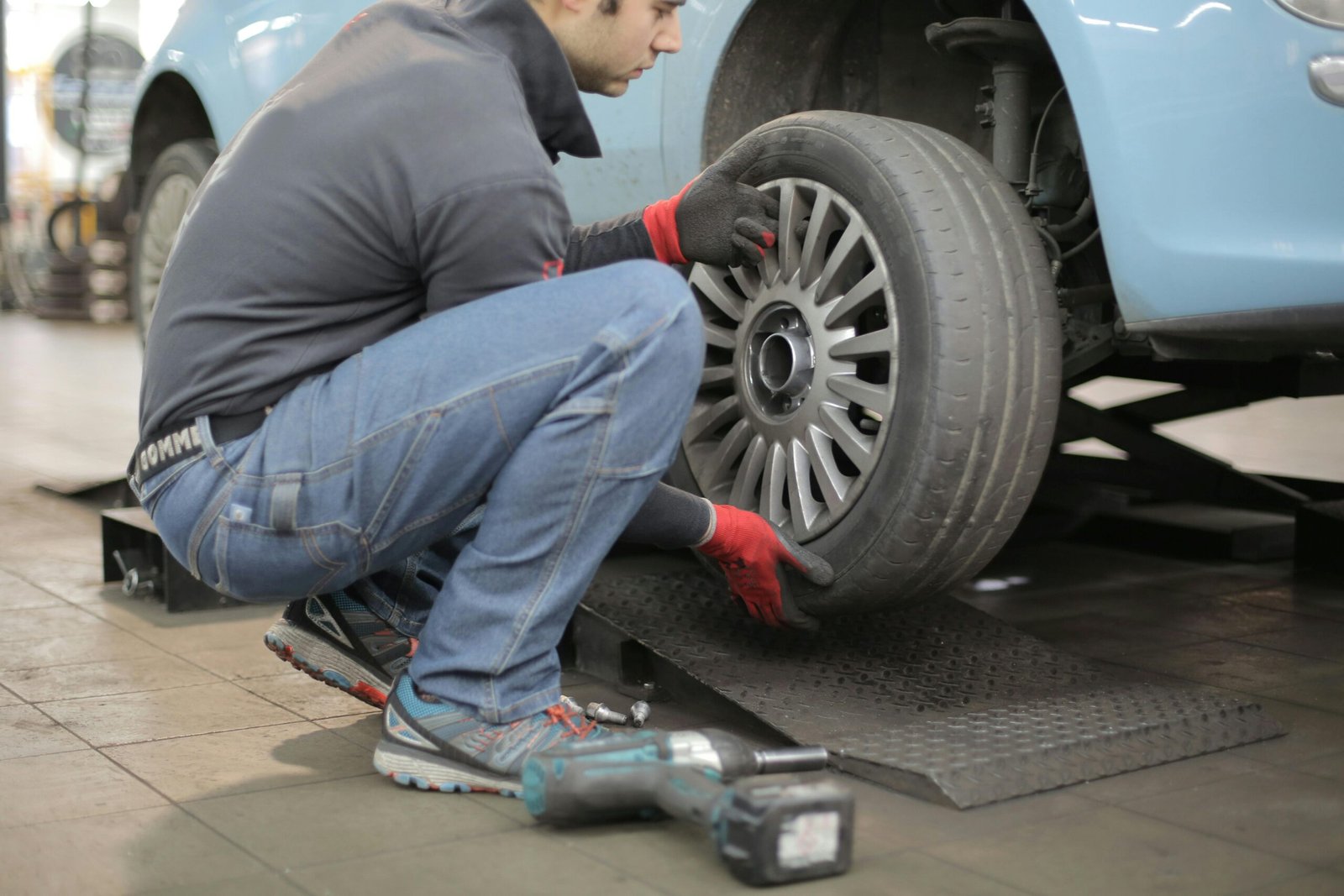
A flat tire can happen unexpectedly, whether on a busy highway or a quiet road, and knowing how to change a tire is an essential skill that can save time, money, and stress. Instead of waiting for roadside assistance, we can take control of the situation with confidence by understanding the correct procedure and safety measures. This detailed guide provides a comprehensive, step-by-step approach to changing a tire efficiently while ensuring maximum safety. By mastering this practical skill, we equip ourselves to handle emergencies independently and continue our journey without unnecessary delays.
Essential Tools Required to Change a Tire
How to Change a Tire Before beginning the process, it is crucial to gather all the necessary tools to ensure a smooth and efficient tire replacement. Most vehicles come equipped with a spare tire, jack, and lug wrench, which are the primary tools needed for the task. Additionally, having wheel wedges, gloves, a flashlight, and reflective warning triangles significantly enhances safety, especially when changing a tire at night or in low-visibility conditions. Being prepared with the right equipment ensures that we can perform the task quickly and avoid unnecessary complications during an emergency.
Step 1: Choose a Safe and Stable Location
Safety should always be the first priority when dealing with a flat tire. As soon as we notice an issue, we should carefully reduce speed and find a flat, stable, and secure location away from moving traffic. Parking on a level surface prevents the vehicle from rolling and ensures stability during the tire-changing process. Once the vehicle is stopped, we must activate the hazard lights to alert other drivers and engage the parking brake to secure the car. If available, placing reflective warning triangles behind the vehicle adds an extra layer of protection, especially on busy roads.
Step 2: Loosen the Lug Nuts Before Lifting
Before lifting the vehicle, it is important to slightly loosen the lug nuts while the tire is still in contact with the ground. Using the lug wrench, we turn the nuts counterclockwise to break their initial resistance. This step is crucial because attempting to loosen the lug nuts after lifting the car can cause the wheel to spin, making the process more difficult and potentially unsafe. At this stage, the nuts should be loosened but not completely removed, ensuring that the tire remains securely attached until the vehicle is raised.
Step 3: Position the Jack and Lift the Vehicle
The next step involves placing the jack under the vehicle at the designated jacking point, which is typically indicated in the owner’s manual. Proper placement is essential to prevent damage to the vehicle and ensure stability during lifting. We then slowly raise the car until the flat tire is a few inches above the ground. It is important to lift the vehicle steadily and avoid sudden movements that could destabilize it. Ensuring that the jack is firmly positioned provides a safe working environment for the next steps.
Step 4: Remove the Flat Tire
Once the vehicle is elevated, we can completely remove the loosened lug nuts and set them aside in a secure place to prevent loss. We then carefully pull the flat tire straight off the wheel hub. In some cases, the tire may be slightly stuck due to rust or pressure, but applying steady force will help loosen it. Removing the damaged tire allows us to prepare for installing the spare tire.
Step 5: Install the Spare Tire Properly
After removing the flat tire, we align the spare tire with the wheel bolts and gently slide it into place. Proper alignment is essential to ensure that the tire fits securely onto the hub. Once positioned, we hand-tighten the lug nuts onto the bolts to hold the tire in place. At this stage, the nuts should be snug but not fully tightened, as final tightening will occur after lowering the vehicle.
Step 6: Lower the Vehicle and Secure the Lug Nuts
Using the jack, we carefully lower the vehicle until the spare tire makes full contact with the ground. Once the car is stable, we remove the jack completely. We then use the lug wrench to tighten the lug nuts in a crisscross pattern, ensuring even pressure distribution across the wheel. This method prevents misalignment and ensures that the tire is securely attached, reducing the risk of issues while driving.
Step 7: Final Inspection and Clean-Up
After securing the lug nuts, we perform a final inspection to ensure that everything is properly installed. Replacing the hubcap, if applicable, and storing all tools in their designated locations helps maintain organization. It is also important to check the air pressure of the spare tire as soon as possible, as spare tires often differ from regular tires in pressure requirements. Driving cautiously and visiting a professional service center for a permanent repair or replacement is highly recommended.
Safety Tips for Changing a Tire
Maintaining safety throughout the process is essential. We should always ensure that the vehicle is parked on a stable surface and that hazard lights are activated to warn other drivers. Wearing gloves protects our hands from dirt and sharp edges, while staying alert to surrounding traffic minimizes risks. It is also important to avoid placing any part of the body under the vehicle while it is lifted, as this can be extremely dangerous. Following proper procedures and using the correct tools significantly reduces the likelihood of accidents.
Common Mistakes to Avoid
Several common mistakes can make changing a tire more difficult or unsafe. One major error is failing to loosen the lug nuts before lifting the vehicle, which can complicate removal. Incorrect jack placement can lead to instability and potential damage to the car. Additionally, uneven tightening of lug nuts can cause wheel imbalance, affecting driving safety. By paying attention to these details and following the correct steps, we can avoid these issues and ensure a smooth tire replacement process.
Benefits of Knowing How to Change a Tire
Learning how to change a tire provides numerous benefits, including increased independence and confidence in handling roadside emergencies. It eliminates the need to rely on external assistance, saving both time and money. Moreover, this skill ensures that we are always prepared for unexpected situations, making our driving experience more secure and stress-free. Being equipped with this knowledge empowers us to take immediate action and maintain control during challenging circumstances.
Conclusion
Mastering the process of how to change a tire is a valuable skill that every driver should possess. By following a structured approach and prioritizing safety, we can efficiently handle flat tire situations without unnecessary stress. With proper preparation, the right tools, and a clear understanding of each step, tire replacement becomes a straightforward and manageable task. This knowledge not only enhances our confidence but also ensures that we are always ready to face unexpected challenges on the road.
FAQ: How to Change a Tire
How long does it take to change a tire?
It usually takes 15 to 30 minutes, depending on experience and conditions.
Can I drive long distances on a spare tire?
No, spare tires are designed for short distances and lower speeds only.
What should I do if I cannot loosen the lug nuts?
Using additional leverage, such as applying steady pressure with your foot, can help loosen tight lug nuts.
Is it safe to change a tire on the roadside?
Yes, but only if you are in a safe and stable location away from traffic.
Do I need to replace the flat tire immediately?
Yes, you should visit a professional mechanic as soon as possible to repair or replace the damaged tire.
